
I wound my way up the mountain roads towards Craig Springs. I wasn’t entirely sure what I had gotten myself into. I was young, still in high school, joining the summer staff of the camp that I had gone to since I was nine years old, and the idea of living in the mountains of Craig County sounded like an adventure. I had no way of knowing just how much those summers would come to shape me—teaching me lessons in hard work, community, and even a little mischief.
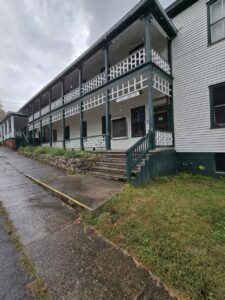
Craig Springs was the kind of place that seemed frozen in time. Nestled in the Blue Ridge, the air was cool and clean, especially in the mornings when mist hung low across the valley. The camp itself had a rhythm: the clang of the morning bell, the chatter of campers shuffling to breakfast, the hum of cicadas rising with the afternoon heat, and finally the stillness of evening, when the stars crowded the sky in numbers you could never see in the city.
For me and the rest of the summer staff, the days were long. One minute we were counselors, leading hikes and organizing games, and the next we were laborers, shoveling gravel, hauling trash, or scrubbing pots and pans until our arms ached. It wasn’t glamorous, but it was real—and I wouldn’t trade those memories for anything.
Learning to Drive
One of the unexpected skills I picked up at Craig Springs was learning to drive. But instead of a family sedan or a school driver’s ed car, my first lessons were behind the wheel of the camp’s old dump truck.
The truck itself looked like it had seen better decades. Its paint was faded, the seat springs poked through the worn upholstery, and the gears made a noise that was somewhere between a growl and a protest. Each morning, trash from the dining hall and the cabins had to be hauled down to the dumpsters, and somehow, I was volunteered for the job.
At first, the idea of maneuvering that lumbering beast along the narrow gravel roads terrified me. The steering wheel was massive, and every turn required muscle. The clutch stuck, the brake squealed, and grinding the gears was practically unavoidable. But over time, I learned its quirks—when to ease off, when to push, when to listen for the engine’s rhythm. By the end of the summer, I could back that truck up to the dumpster with confidence, proud of a skill few of my classmates could claim. To this day, whenever I slide behind the wheel of a car, I think back to that dump truck and how it taught me to handle something bigger than myself.
The Dishwasher with a Nail
Life in the kitchen brought its own kind of education. Washing dishes at Craig Springs was no small task. Feeding hundreds of campers and staff meant mountains of plates, pots, and utensils stacked higher than my head. The industrial dishwasher we used was an antique, a hulking metal machine that rattled and steamed like it was barely holding itself together.
Turning it on was a trick in itself. There was no convenient switch—just a long wooden stick with a rusty nail taped to the end. The routine was always the same: jab the nail into a tiny hole, hit just the right spot, and pray the machine roared to life. Every time I did it, I couldn’t help thinking, Gee, this is really safe. Somehow, it always worked, though the steamy bursts it released could leave you looking like you’d spent the evening in a sauna.
It was monotonous work, sure, but even there I found a kind of satisfaction. There was something grounding about scrubbing the day’s messes clean and knowing the camp could run smoothly again come morning. And, of course, there was always laughter—staff tossing suds at each other, joking about who had drawn the short straw that day, finding ways to turn drudgery into camaraderie.
Mamie Sue’s Bread
The heart of the kitchen, though, was not the dishwasher or the battered pots and pans. It was Mamie Sue.
Mamie Sue was one of two sisters who had worked at Craig Springs for as long as anyone could remember. Born and raised in Craig County, she and her sister GiGi were as much a part of the camp as the mountains themselves. People joked that when the old resort property was sold and turned into a camp, the sisters came as part of the bargain.
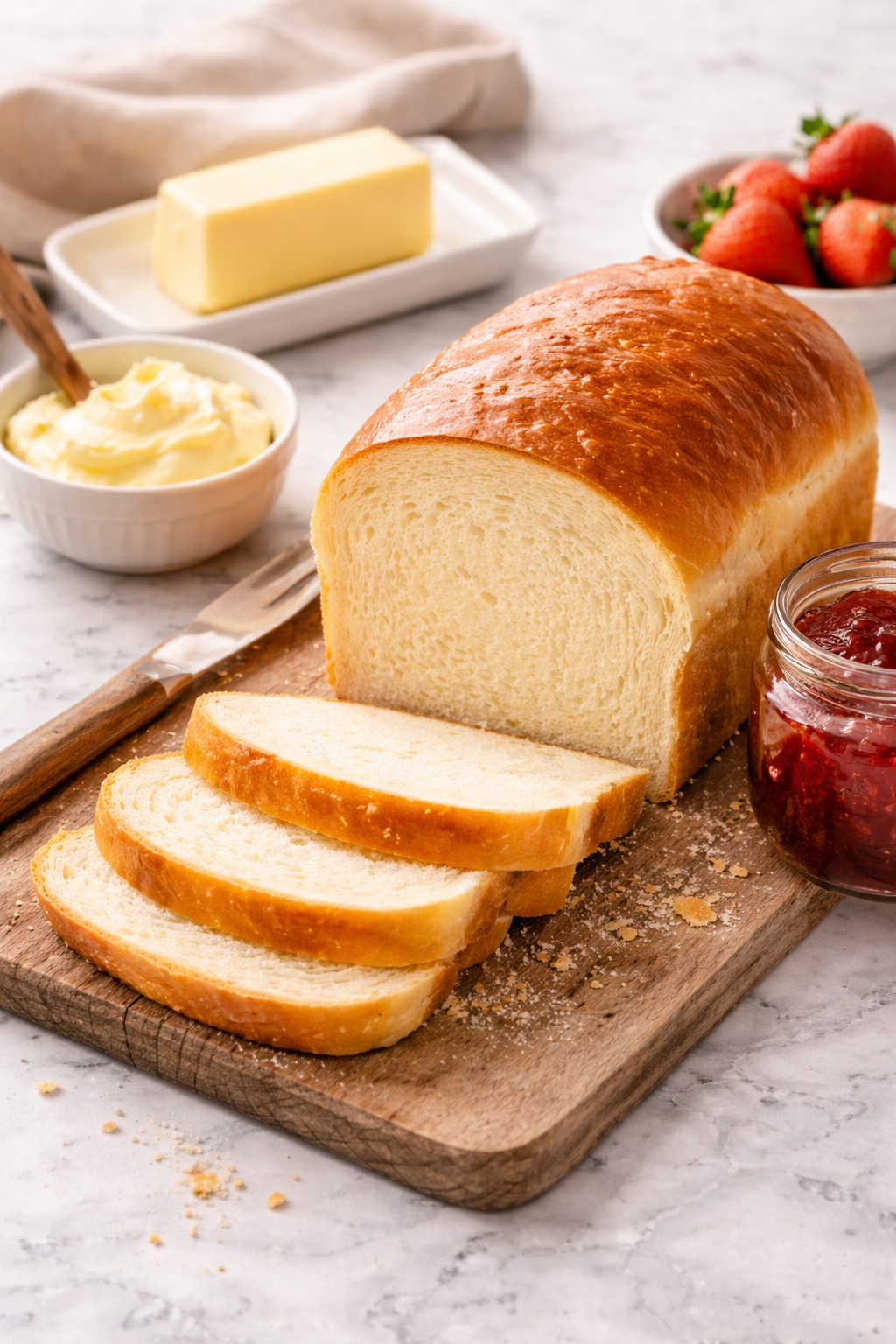
Wednesday night was always spaghetti night, but what made it special wasn’t the pasta—it was Mamie Sue’s bread. She started before the sun was high, her hands working flour and yeast like a musician playing a familiar tune. She never measured, never checked a recipe, just moved by instinct and memory. By afternoon, the smell of baking bread drifted through the camp, a warm and comforting scent that wrapped itself around you like a blanket.
I could never resist hovering nearby, plate in hand, waiting for the first loaf to emerge from the oven. Mamie Sue noticed, of course. Before long, she made it a tradition: on Wednesday nights, a loaf of bread sat on the staff table just for me. Even now, the memory of tearing into that golden loaf, butter melting into its soft center, has the power to transport me straight back to that kitchen.
GiGi and the Midnight Feasts
If Mamie Sue embodied comfort, GiGi embodied mischief. She was sharp-tongued, quick to scold, but underneath it all had a heart of gold. And it was in her kitchen, after hours, that some of my favorite memories were made.
Once the campers were tucked into bed, vespers sung, and the evening chores done, the staff would sneak back into the kitchen. What began as the idea of a small snack turned into a full-blown midnight banquet. Fried chicken sizzled in the cast-iron skillet, the same one used for scrambled eggs every morning. Potatoes were peeled and mashed, rich gravy bubbled on the stove, and biscuits baked until golden. For dessert, my brown sugar pie always made an appearance.
We ate like kings, laughing and joking, trying to stifle our noise so as not to wake the camp. Then came the frantic cleanup—scrubbing every dish, wiping every counter, even sneaking the trash out into the dark. Somehow, though, we always left behind some tiny clue. And the next morning, GiGi would fix me with a look that could stop a clock.
“Stay out of my kitchen,” she’d growl.
“Yes, ma’am,” I’d mutter, head bowed. But we both knew better.
One morning, after her usual scolding, she paused and added, “Well, did you at least save me a slice of your pie?”
I grinned. “No, ma’am. I saved you a whole pie.”
For the first time that day, her stern face softened into a smile. That smile was our unspoken truce: as long as there was pie for GiGi, the late-night feasts would continue.
Lessons That Lasted
When I think back on those summers, I don’t just remember the hard work. I remember learning to handle a dump truck, to coax life out of an ancient dishwasher, to cook meals that could feed an army, and to laugh through it all. I remember the sisters—Mamie Sue with her bread, GiGi with her no-nonsense glare and hidden grin—who taught me that food isn’t just about feeding the body. It’s about feeding the spirit, creating moments of connection, and leaving behind memories that last a lifetime.
Craig Springs was where I learned that work could be grueling and joyful at the same time, that rules were sometimes bent in the name of friendship, and that the simplest things—a loaf of bread, a pie, even a clunky old dump truck—could carry lessons worth holding onto forever.
Even now, decades later, the smell of fresh bread or the taste of brown sugar pie carries me straight back to those mountains, those kitchens, and those summers that shaped me into who I am.
Country White Loaf Bread
Ingredients
Equipment
Method
- In a medium bowl, stir together the warm water, yeast, and sugar until the yeast and sugar are dissolved. Allow it to sit for about 5 minutes. The yeast will be foamy or bubbly.
- In the bowl of a stand mixer fitted with a dough hook, add the sea salt, flour, oil, and melted butter and turn on low speed. Gradually add the water-yeast mixture. Increase the mixer speed to medium and mix until the dough is smooth and pulls away from the sides of the bowl, about 2 minutes. If there are dry ingredients left in bowl, add a tablespoon of water at a time until all the flour is well incorporated.
- Grease a medium glass bowl. Transfer dough to bowl, coating in oil. Cover with a tea towel and place to rise until the dough doubles in size, about 1 hour. Preheat the oven to 375 degrees.
- Punch down the dough and turn it out onto a lightly floured surface. With floured hands, divide the dough into two equal portions.
- Grease two 9 x 5 inch loaf pans with cooking spray. Shape each half into a loaf and place into prepared pan. Cover pans with a tea towel and let rest 20 minutes for a second rise.
- Bake the loaves until golden brown, 20 to 25 minutes.
- Remove the bread from the oven and turn it out onto a cooling rack. Brush the tops with melted butter. Cool for at least 10 minutes before slicing.